

Get to know WebOracle, and how we use our knowledge and expertise to create a positive and lasting impact in everything we do.

Get to know WebOracle's story and what drives our passion for excellence.

Learn how we work to deliver exceptional results step by step.

Discover the causes and organisations we proudly stand behind.

WebOracle offers a comprehensive suite of digital solutions to help your brand succeed online. From seamless development to effective SEO, check out our range of services here.
Get to know WebOracle, and how we use our knowledge and expertise to create a positive and lasting impact in everything we do.
Get to know WebOracle's story and what drives our passion for excellence.
Learn how we work to deliver exceptional results step by step.
Discover the causes and organisations we proudly stand behind.
WebOracle offers a comprehensive suite of digital solutions to help your brand succeed online. From seamless development to effective SEO, check out our range of services here.
When diners search for date night spots, groups look for function venues, and locals hunt for weekend brunch, your venue should dominate the results. Turn hungry searchers into regular customers through strategic hospitality SEO that positions you as the go-to destination in your area.
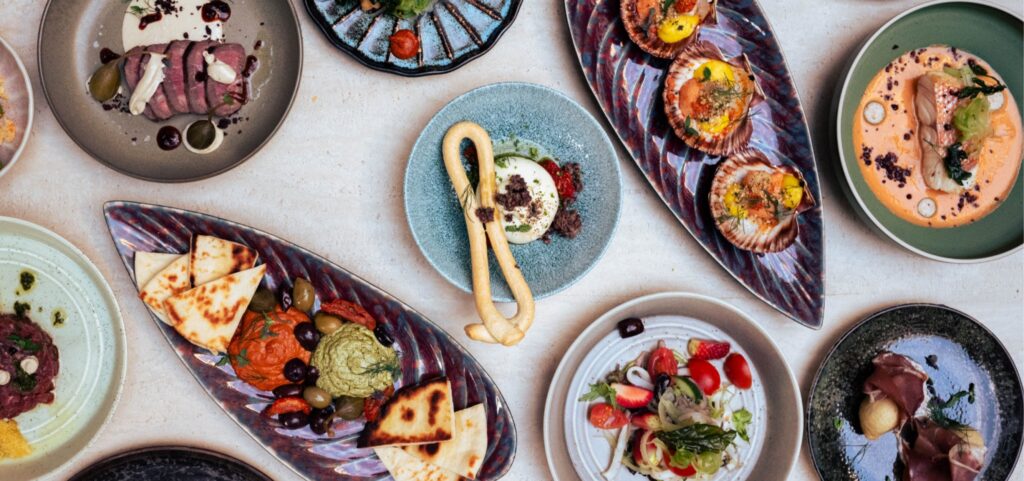
Relying solely on booking platforms and paid ads means losing control of your customer relationships. Local SEO for restaurants and bars puts you in direct contact with hungry customers.



Purpose-built SEO strategies for hospitality venues that need covers and customers, not just website visitors.
A proven approach that delivers measurable bookings and foot traffic growth.
1.
2.
3.
4.
5.
6.
Targeted strategies for every style of hospitality business.
Australia’s hospitality scene is intensely competitive, but most restaurants and bars are leaving enormous opportunities on the table by neglecting search visibility. While everyone focuses on Instagram and booking platforms, smart venues are capturing customers directly through strategic local SEO.
Here’s what most operators miss: Australians search differently for dining than global markets. We search for “pub lunch” not “tavern food”, “bottle shop” not “liquor store”, and we’re far more likely to include suburbs in our searches because our cities sprawl across huge geographic areas. These localisations create keyword opportunities that generic SEO advice completely misses.
The Local Map Pack (those top three listings with maps on mobile searches) is absolutely critical for hospitality. When someone searches “Japanese restaurant near me” or “cocktail bar Surry Hills” on their phone at 6pm on a Friday, they’re not browsing multiple pages. They’re calling or walking to one of the three venues that appear in that map pack. Optimising your Google Business Profile properly isn’t optional, it’s the difference between being discovered or being invisible at the exact moment people are deciding where to eat.
Better yet, most restaurant websites are shockingly poor. Outdated designs, slow loading times, menus buried in PDFs that don’t work on mobile, complicated booking systems that frustrate hungry customers. This creates massive opportunity for venues willing to invest in proper technical optimisation. A fast, mobile-optimised site with clear menus and easy booking can outrank competitors simply by providing a better user experience.
Food media coverage matters more than almost any other backlink source. A single feature in Broadsheet, Concrete Playground, or your city’s major newspaper food section delivers both immediate traffic and long-term SEO authority. These aren’t pay-to-play directories, they’re editorial features that signal genuine quality to both search engines and potential diners.
Let’s talk about the economics. Booking platforms like OpenTable, TheFork, or Dimmi charge per cover or monthly fees. Google Ads for competitive dining keywords can cost $5-15 per click. These costs never decrease, they only increase as competition grows. You’re essentially renting visibility rather than building an asset.
SEO changes this completely. Yes, quality hospitality SEO requires investment (particularly for technical optimisation, content creation, and media outreach), but unlike platform fees or paid ads, the returns compound over time. Content you publish today keeps attracting diners six months from now. Rankings you achieve this quarter continue filling tables next year. You’re building a permanent visibility asset rather than paying rent to aggregators who own the customer relationship.
Consider what happens when someone discovers your venue through organic search versus a booking platform. The platform owns that customer data, controls the communication, and charges you for the privilege. When someone finds you through search, visits your website, and books directly, you own that relationship completely. You can build loyalty, capture email addresses, and encourage return visits without paying middleman fees.
Beyond pure economics, SEO solves the trust problem in dining decisions. When potential customers search for restaurants and discover your venue through food blog features, chef profiles, or menu content, they’re arriving with far more context and confidence than someone who just saw a listing on a booking platform. This means higher show rates, better table turnover, and more enthusiastic diners who are primed to become regulars.
SEO also captures diners at different planning stages. Someone searching “best Italian restaurants Melbourne” is actively choosing where to eat tonight or this weekend. But someone searching “where to celebrate anniversary Melbourne” or “restaurants with view Sydney” is planning ahead and creating a shortlist. Appearing in both types of searches means you’re capturing both immediate and future bookings.
Most importantly for hospitality businesses, local search visibility directly translates to foot traffic. Unlike industries where the buying decision happens days or weeks after the search, dining decisions often happen within hours. When you dominate local searches for your cuisine and area, you’re capturing customers at the exact moment they’re hungry, deciding, and ready to book or walk in.
When you’re not ranking locally, you’re invisible to diners actively searching in your area. When you’re invisible, you’re forced to pay booking platforms, burn ad budget, and compete solely on aggregator placements. Restaurant SEO puts you in control of your customer acquisition and builds a loyal following that fills tables consistently.

Your submission
was successful.


